
Each week, I comb through the latest endurance, sports science, psychology, and coaching research. So you don’t have to. Don’t worry, this is a nerdy passion. I try to distill it into plain language, practical takeaways, and reflections on what it means for the kind of running I do here at Waybound: thoughtful, purposeful, human. No hype, no clickbait. Just notes, honest questions, and my usual healthy dose of criticism and skepticism. Perfect for trail runners and overthinkers.
This week’s research roundup July 16 – July 27, 2025
From the quiet power of postpartum return plans to the noise in your gut (and your hydration bottle), this week’s science runs deep. We’ve got lactate thresholds in Ethiopian elites, hypoxic gains in teenage biathletes, brain-stimulated TTs, and interval design dissected by muscle oxygenation. If that’s not enough, we’re also rewiring how time perception warps on techy descents, what urine says about your sports drink, and how altitude, birth or otherwise, still casts a long shadow over long-distance greatness. Also in the mix: Ashwagandha (maybe magic?), gut bugs (definitely important), balance pads (trail-ready proprioception!), and an overdue call to rethink volume-overload strategies. There’s even a PhD that says postpartum return isn’t a six-week countdown, it’s a co-designed journey! TL;DR: train smart, recover intentionally, mind the terrain, question the trends—and maybe give your gut some love.
This week’s research titles
– Change in Elevation Predicts 100 km Ultra Marathon Performance
– Miles and Mindset: The Psychological Toll of Multi-Marathoning
– Running Economy and VO₂max in Ethiopian Distance Runners at Altitude
– The Role of Ashwagandha in Exercise Performance and Recovery
– Sleep Loss and Muscle Strength: A Systematic Review
– Training Intensity Distribution and Hormonal Response in Overload Blocks
– Core Body Temperature as a Proxy for Anaerobic Thresholds in Running
– It’s Not a Race! A Co-Designed Postpartum Return-to-Running Framework
– Statokinetic Stability Training for Endurance Runners
– The Role of Physical and Cognitive Effort on Time Perception
– Gut Microbiota Modulation to Enhance Exercise Performance and Recovery
– Drink Choice Impacts Post-Run Inflammation and Biomarkers
– HIIT in Hypoxia Improves Aerobic Capacity in Junior Biathletes
– Maximizing Muscle Deoxygenation in Interval Sessions
– Emerging Trends in Distance Running Training: Sub-Thresholds & Sprint Speed
See also 22(!) other worthy footnotes and essays of trail and ultra related science news.
Change in Elevation Predicts 100 km Ultra Marathon Performance
This monster of a study crunched over 858,000 race records across 130 years(!) to identify what really predicts performance in 100 km ultras. Using machine learning models (including XGBoost), the authors found that elevation profile (flat vs. hilly) is the most important course-based factor influencing average speed, far more impactful than whether the race is on trail, road, or track, and even more than gender or age group. Track and flat courses yielded the fastest results. The fastest races tend to be in Africa, the Middle East, and Europe, and the fastest runners came from former Soviet republics and select African nations, though often based on small, elite samples.
Practical takeaways:
– Flat courses had average speeds of 8.85 km/h vs. 6.57 km/h for hilly ones. If speed is the goal, seek out flat, fast courses.
– Track races are the speed king. Average speed on a track was 9.32 km/h, faster than road (8.11), trail (6.21), or mountain (5.74). Predictability and pacing matter.
– Many of the fastest performances occurred at national/international championship events, often on indoor tracks with high-caliber fields and minimal environmental variability.
– Your age sweet spot is 35–45. Peak performance in 100K appears to settle in the late 30s to early 40s, confirming long-standing observations in ultra distances.
That said, there are caveats. Elevation was classified only as “flat” or “hilly,” a simplification that misses meaningful gradations in trail and mountain terrain. Similarly, the designation of course types (trail vs. mountain vs. road) was likely inconsistent across decades and countries. The country-based performance comparisons are skewed by small sample sizes; some nations had only a handful of elite-level results. Finally, the model doesn’t include training history, weather, psychological factors, or fueling strategies, elements we know influence performance. Still, the research is highly valuable for its scale, modeling clarity, and the reaffirmation that terrain trumps most when it comes to pacing and outcome. The take-home message isn’t just “flat is fast,” but “context is everything.”
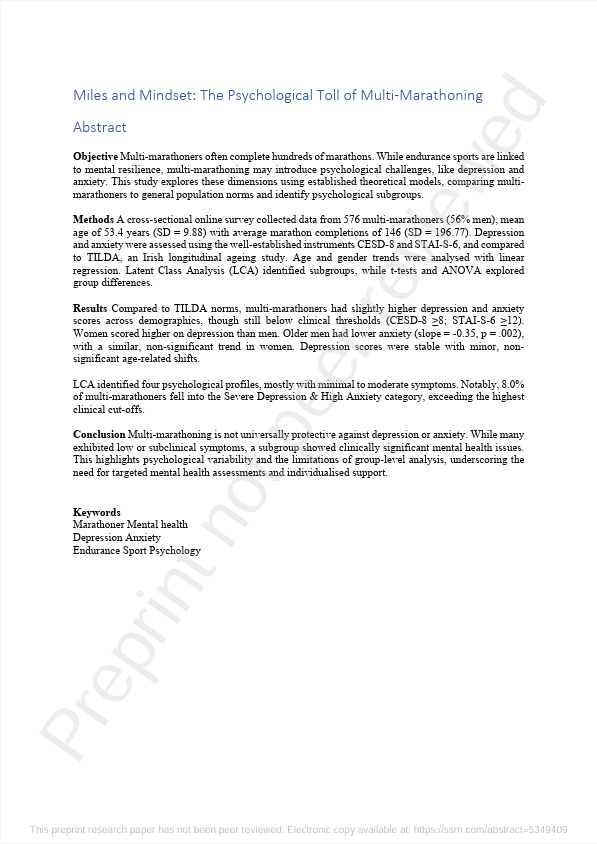
Miles and Mindset: The Psychological Toll of Multi-Marathoning
This cross-sectional study surveyed 576 multi-marathoners, people who run a lot of marathons (average: 146!), to assess depression and anxiety levels. Compared to TILDA, a representative sample of the Irish population aged 50+, multi-marathoners had slightly higher depression and anxiety scores, though most remained below clinical thresholds. But not all: latent class analysis revealed four psychological profiles, incl. an 8% subgroup with severe depression and high anxiety, scoring above clinical cut-offs. Older men showed significantly lower anxiety; women trended similarly but not significantly. Experience and emotional regulation may increase with age.
Routine check-ins with CESD-8/STAI-S-6 could help coaches or clinicians spot red flags early. Marathon count ≠ immunity; runners with the most marathon finishes were disproportionately represented in the high-symptom group. Female runners reported more depressive symptoms and lower calmness, echoing general population trends. Tailored support and social scaffolding could make a difference. Still, group averages can mislead. The wide variation in mental health across latent classes emphasizes the need for individualised support. However, the sample skews older and Western; we don’t know how this plays out in younger or more diverse populations. There’s also an unspoken question lurking: when does meaningful dedication tip into exercise dependence?

https://bmcresnotes.biomedcentral.com/articles/10.1186/s13104-025-07397-8Bayissa et al., BMC Research Notes, 2025
Association between running economy and VO₂max values in high-level Ethiopian male and female distance runners measured at high altitude
This study examined the running economy and VO₂max of 53 elite Ethiopian distance runners at 2400 m elevation. Using treadmill protocols and gas exchange analysis, researchers found that although VO₂max levels were modest compared to other elites, these athletes demonstrated exceptional RE at multiple speeds. RE and VO₂max were modestly correlated, more so in men than women, and sex-specific predictors emerged: RE and VO₂max mattered more in men, whereas only height predicted performance in women. The takeaway? Superior RE may offset lower VO₂max, esp. at high altitudes.
Practical takeaways:
– Improving your economy (through drills, strength work, and terrain-specific training) can compensate for VO₂max plateaus.
– Train for where you race. All testing was done at 2400 m, highlighting how chronic altitude exposure (and adaptations that come with it) shapes performance differently than sea-level norms.
– For female runners, height was the only statistically significant predictor of performance; VO₂max and RE didn’t matter as much. For males, age, height, and weight mattered most, with RE and VO₂max trending toward significance.
– Blood lactate clearance = gold. These athletes hit impressive speeds with surprisingly low lactate levels, indicating strong submaximal endurance and metabolic efficiency, especially in women.
– Efficiency (RE) beat aerobic capacity (VO₂max) as a predictor of performance, particularly in men.
You don’t need the highest VO₂max on the mountain, you need to use what you have wisely. The study’s strengths lie in its clear protocol, ecological validity (altitude testing), and decent sample size for elite runners. The correlations were modest but meaningful. The cross-sectional design limits causal inference; longitudinal tracking would better illuminate how RE and VO₂max shift with training phases. Also, the study would’ve benefited from biomechanical assessments or hematological variables to give a more complete performance profile. As a coach, I place great emphasis on running economy, esp. via uphill training, strength work, neuromuscular drills, and strategic pacing. VO₂max is trainable but constrained; RE is trainable and transferable. For female runners, it’s a reminder not to overemphasize lab numbers, factors like body morphology, resilience, and hormonal patterns matter deeply. This study shows that Ethiopia’s distance running dominance runs on efficiency, not just power. The message is clear: train smarter, move better, and trust that grace, not just grind, wins the race.
The Role of Ashwagandha in Exercise Performance and Recovery: An Evidence-Based Review
This comprehensive review looks at 14 studies on Withania somnifera (Ashwagandha) and its effects on endurance, strength, recovery, and sleep in athletic and non-athletic populations. Across training types (resistance, endurance, or general fitness), daily doses of 600–1250 mg for 8–12 weeks were associated with improvements in VO₂max, time to exhaustion, strength metrics, muscle size, and perceived recovery. It may also aid post-exercise muscle regeneration, reduce cortisol and oxidative stress, and enhance sleep It’s a compelling, but not definitive.
Practical takeaways:
– Runners saw significant increases in aerobic capacity, by 10–16% in some cases.
– Ashwagandha improved muscle strength and aerobic capacity, even when paired only with resistance training.
– Reduced creatine kinase levels, better perceived recovery, and lower oxidative stress markers suggest faster bounce-back after hard sessions.
– Ashwagandha helped improve sleep efficiency and cortisol regulation, two key pillars of long-term training adaptation.
The review is methodically structured and draws from a reasonably robust pool of studies, but it’s still sitting on the fence of nutritional science and herbal enthusiasm. Many of the cited studies had sample sizes <50, were funded by supplement companies, or used poorly controlled protocols. There’s a clear need for more double-blind, placebo-controlled trials that track performance over full training cycles. Also, gender-based effects remain murky—some indications of greater benefit in men possibly tied to testosterone modulation, but the data is thin. The effects of Ashwagandha on stress and cortisol are well-documented. What’s refreshing here is the breadth across endurance and strength outcomes, including data on sleep, recovery, and hormonal support. Still, no big paradigm shift yet.
Implications of Sleep Loss or Sleep Deprivation on Muscle Strength: A Systematic Review
This review examined 13 studies (2023–2025) investigating how sleep deprivation (SD) and partial sleep deprivation (PSD) affect muscle strength across various tasks (grip strength, bench press, clean and jerk, leg press, etc.). Most studies revealed that SD, esp. when extended beyond one night, leads to a measurable decline in strength, neuromuscular function, and power output. However, results were mixed: while some studies found clear performance drops, others (particularly those focusing on 1RM or single-task lifts) did not observe significant changes. The negative effects seemed to be task-specific, more pronounced in compound lifts and fatigue-sensitive movements, and modulated by sex, time of day, and even limb dominance. The review is valuable, though not definitive. This is one of the more methodologically sound and recent reviews I’ve seen on sleep and strength. The overall pattern is persuasive: SD affects strength, especially when cumulative, complex, or metabolically demanding.
Practical takeaways:
– Grip strength and high-rep submaximal lifts suffer more than 1RM maximal lifts after short-term SD.
– Complex lifts (like clean & jerk) may show resilience to one-night sleep loss, but don’t rely on this consistently, esp. during cumulative fatigue.
– Neuromuscular fatigue and voluntary activation decline with even one night of SD, meaning athletes may feel weaker or slower even if peak output remains.
– Sex differences and hormonal factors matter: women may experience more strength reduction in extensor muscles post-SD, possibly tied to menstrual cycles.
– A 1-hour nap helps, performance in bench and leg press bounced back to baseline with a short nap after PSD.
I don’t treat sleep as an optional upgrade. It’s very part of a training plan. When life compromises sleep (travel, race stress, a colicky baby) we adapt training rather than pushing through blind. It also reinforces that “how you feel” isn’t just subjective noise, it often reflects real neuromuscular limitations tied to sleep quality. As a coach:
– I Prioritize sleep tracking during heavy blocks or travel-heavy weeks.
– Adjust intensity/load on days following poor sleep, esp. if doing reps under fatigue or complex strength work.
– Use naps strategically after rough nights.
– In long-term planning, treat recovery weeks as a chance to re-anchor sleep hygiene.
– Talk about sleep! Normalize it as part of the performance conversation.
The Influence of Different Training Intensity Distributions During a 2-Week Training-Overload Period on Performance and Hormonal Responses in Male Endurance Athletes
This master’s thesis tested whether increasing volume (VOL) or intensity (INT) during a 2-week overload training block would differently affect performance and hormone responses in 26 well-trained male endurance athletes. Both groups increased their training load by ~50–70% using different strategies: VOL added more total hours without shifting intensity, while INT increased high-intensity sessions. After a recovery week, VOL showed clear performance gains (peak speed +2.4%, time to exhaustion +7%), whereas INT did not. Hormonal results showed a reduced ACTH response (a stress hormone) in both groups after overload, but only VOL bounced back post-recovery. Cortisol, testosterone, and T3 levels stayed relatively stable throughout.
Practical takeaways
– Even with matched training load (TRIMP), the INT group didn’t rebound as well. Intensity seems to be more taxing hormonally and mentally.
– The hormone ACTH, tied to the stress response, dropped after overload but only recovered in the VOL group. This might signal readiness, or lack thereof, better than cortisol alone.
– Athletes who felt worse (soreness, fatigue, motivation) actually improved after recovery. Trust subjective markers, but interpret them in context, they might point to productive fatigue.
– A sudden HIT-heavy block might feel manageable, but recovery and supercompensation could be compromised.
This is a well-designed thesis that adds nuance to the ongoing volume vs. intensity debate in short-term training overload. The use of ACTH as a mechanistic marker is a smart move, showing clearer adaptation dynamics than cortisol or testosterone alone. However, results must be interpreted carefully given the modest sample size, self-directed training, and slight inconsistencies across labs. Also, it’s male-only, and we’re still lacking good comparative data on female hormonal responses in overload periods. For us coaches, this means that in short overload blocks, dialing up volume, not intensity, is likely safer and more productive. We should keep an eye on subjective fatigue and ideally layer in objective recovery markers like ACTH if possible (though practically, that’s lab-bound). Practically, we can use this to justify progressive volume builds while holding intensity steady, or peaking intensity only with precise tapering plans.
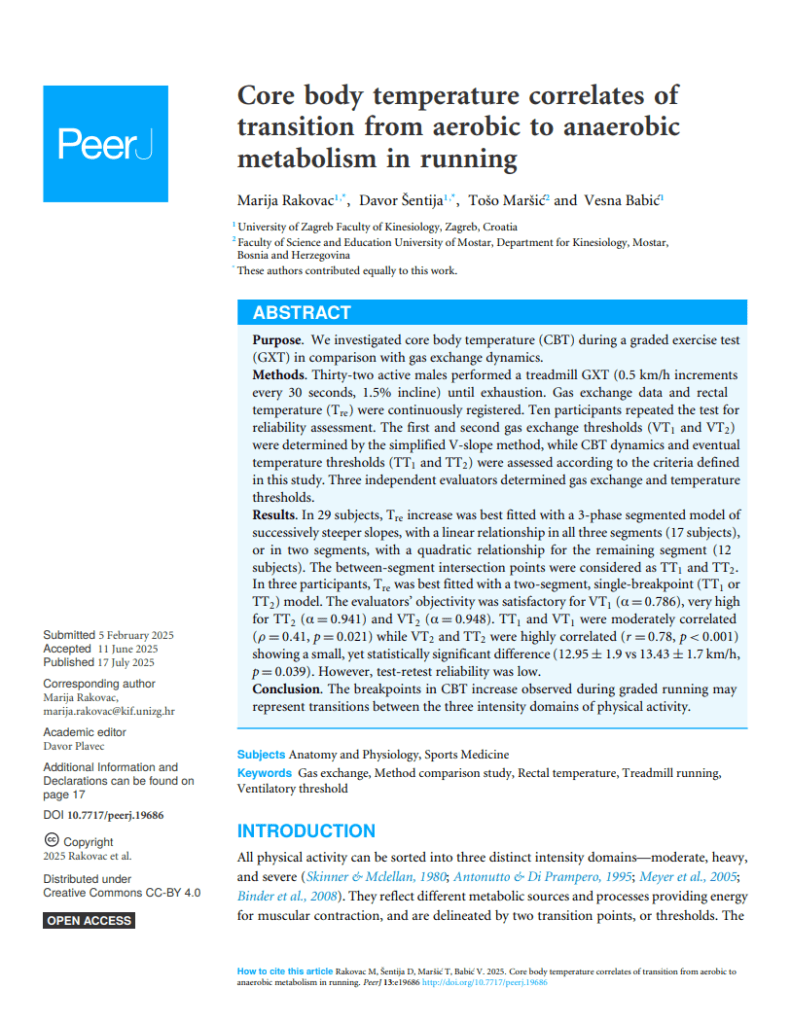
Core Body Temperature Correlates of Transition from Aerobic to Anaerobic Metabolism in Running
This study explored how core body temperature (CBT), measured rectally, responds during a finely graded treadmill running test and whether these temperature changes align with the commonly used ventilatory thresholds (VT1 = aerobic, VT2 = anaerobic). Thirty-two recreationally active men completed treadmill tests to exhaustion while researchers continuously monitored gas exchange and CBT. The researchers identified two clear inflection points (TT1 and TT2) in the CBT data, which were moderately (TT1) and strongly (TT2) correlated with the ventilatory thresholds. However, TT2 was more reliably observed across participants than TT1, and overall test-retest reliability was low. In other words, TT2 (temperature threshold 2) shows promise as a physiological marker for identifying the anaerobic threshold in treadmill running.
Practical takeaways:
– The transition to heavy and severe exercise domains appears to coincide with distinct inflection points in core temp rise, possibly linked to the increased recruitment of fast-twitch muscle fibers.
– For now, TT1 (aerobic threshold) based on CBT is less reliable, objectivity among evaluators was low, and thresholds were often indistinct.
– Core temperature tracking could one day serve as a non-invasive proxy for lactate or ventilatory testing, but further validation is needed.
While TT2 correlates well with VT2, the reproducibility was weak and the methodology lacks standardization. The authors made thoughtful links to motor unit recruitment and thermodynamic efficiency, but this remains a hypothesis needing further testing. Also, the exclusive use of rectal temperature in young fit men limits generalizability. The results are not ready for implementation yet, but keep an eye on this line of research. It hints at a future where wearables that detect internal temperature changes might offer insight into intensity transitions. For now, use it as a reminder of the invisible shifts happening in the body. Educating athletes to listen for signs of rising intensity (labored breath, heat flushes, shift in perceived effort) remains essential.
It’s Not a Race! A Co-Designed, Interdisciplinary Approach to Return to Running Postpartum
Yes (!), another pregnancy related study. This PhD thesis explores how postpartum runners navigate returning to running, aiming to develop a more holistic, co-designed return-to-run framework. The study engages postpartum runners as active co-creators, not passive research subjects. Findings highlight that the return to running is deeply personal, non-linear, and shaped by sociocultural pressures, emotional identity shifts, and a lack of tailored medical advice. The thesis proposes an evidence-informed, context-sensitive framework that values lived experience just as much as lab data. Generic return-to-run plans or focusing only on pelvic floor “clearance” risk missing key emotional, social, and biomechanical variables.
Practical takeaways:
– Co-create with your athletes: postpartum runners need individualised plans that integrate physical, emotional, and social factors. No single protocol fits all.
– Toss out the 6-week rule. Many participants felt pressured by the outdated 6-week postnatal clearance. A staged, self-paced, and feedback-informed process worked better.
– Runners internalised medicalised, limiting language (“you’re broken,” “don’t risk it”) that hindered confidence. Reframing this with strength-based language is empowering.
– Progress is nonlinear: identity, enjoyment, and personal agency mattered just as much as pace or distance.
The research is rigorous, grounded in diverse qualitative and biomechanical data, and the co-design approach lends it real-world relevance. The emphasis on co-design mirrors my coaching ethos (which I try to apply to my two pregnant athletes): runners aren’t projects to fix; they’re partners in an ongoing story. The study also challenges us to think about who gets left behind in rigid return-to-sport protocols, and what it means to train through life transitions, not around them. As coaches, we need to throw out one-size-fits-all protocols and lean into curiosity, collaboration, and listening. This research supports designing modular, feedback-based postpartum return plans that evolve with the runner. Strength training, walking-to-running progressions, and identity work should be integrated.
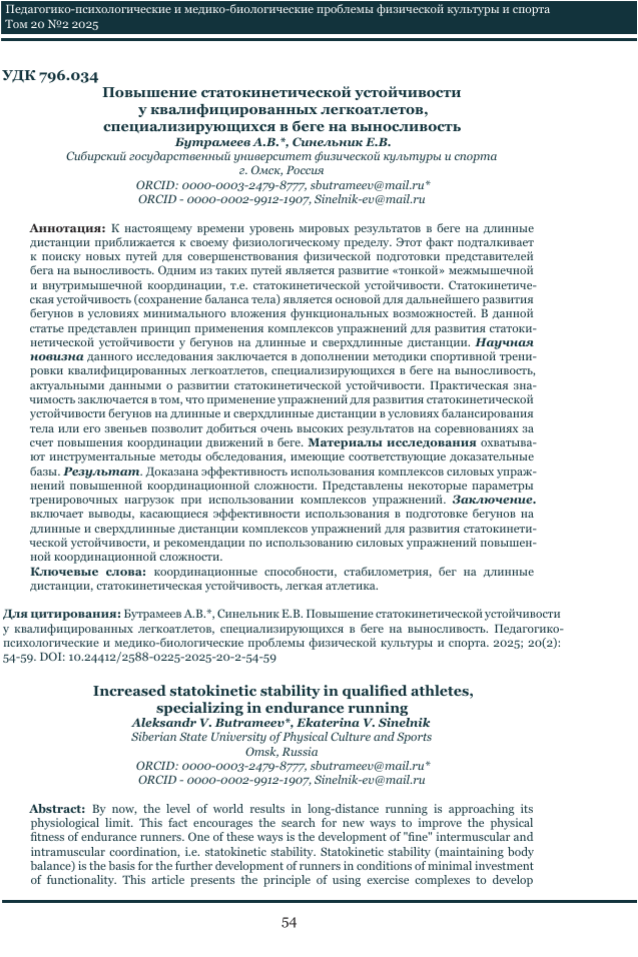
Improving Statokinetic Stability in Qualified Track and Field Athletes Specializing in Endurance Running (Повышение статокинетической устойчивости у квалифицированных легкоатлетов, специализирующихся в беге на выносливость)
This study explored how improving statokinetic stability, i.e., our ability to maintain balance during movement, can support performance in ultra-distance runners. Eight male endurance athletes were divided into experimental and control groups. The experimental group incorporated strength exercises of increased coordination complexity using balance cushions. Stabilometric testing showed significant improvements in balance control, particularly under eyes-closed conditions, for the experimental group. The study suggests that targeted proprioceptive-coordination training can improve neuromuscular efficiency with minimal physiological cost.
Practical takeaways:
– Balance-focused strength training (using unstable surfaces like balance pads) improves neuromuscular coordination and fatigue resistance.
– Incorporating 30–50% coordination-intensive strength work (statodynamic and static holds) into a session yields balance gains without abandoning strength exercises.
– Training balance with eyes closed enhances proprioceptive feedback and reduces reliance on vision, a useful skill for trail runners navigating uneven terrain.
– Exercises that challenge postural control may help runners move more efficiently with less muscular effort, delaying the onset of fatigue in long races.
The methodology is sound but limited. The study reinforces earlier work in proprioceptive training but extends it meaningfully. While proprioceptive and balance training is well-established in sports like gymnastics and soccer, this study makes a rare and valuable contribution by applying these principles to distance running. I like to integrate coordination-heavy static or dynamic balance work (e.g., single-leg squats on BOSU) 1–2x per week, esp. during base and pre-competition phases. It’s a low-cost addition with potential high reward. The study also suggests prioritizing proprioceptive stimulus over maximal loads.
The Role of Physical and Cognitive Effort on Time Perception
This study explored why time seems to stretch while running: is it because of physical effort (e.g. heart rate), or the cognitive demand of movement? Participants performed a timing task under four conditions: rest, running, walking backwards, and a dual-task with a visual memory challenge. All three effortful conditions caused participants to overestimate time compared to rest. The key finding? It wasn’t the physical strain driving this effect, but the cognitive load, meaning how mentally demanding it is to control movement or split attention. This nuances the “exercise alters perception” narrative by teasing apart physical exertion from cognitive distraction. It’s especially relevant as time perception impacts pacing, effort regulation, and racing strategies in trail and ultra settings.
Practical takeaways:
– Your brain might be the reason a 10-min. interval feels eternal while running. The perceived time stretch comes from cognitive load, not your heart rate.
– Time may feel slower when you’re engaged in effortful movement or multitasking, not because of how hard your body is working, but because your brain is juggling tasks.
– This could explain why some segments (e.g. techy descents or unfamiliar terrain) feel longer than others, even if they’re shorter. It’s not just terrain, it’s attention.
– Training perception of time may not be fruitful if you’re aiming to improve pacing. Instead, train attention allocation under load.
So what feels long isn’t always hard. Sometimes, it’s just cognitively crowded. For trail runners navigating complex terrain or mentally taxing race segments, this perspective can deepen self-awareness and inform pacing strategies. This is a strong study with a well-structured design and thorough discussion. Still, the generalizability to real-world endurance events is limited. Trail running introduces environmental, emotional, and social cognitive loads that go far beyond treadmill motor control or simple dual tasks. One compelling thread for future research: Does chronic exposure to cognitively demanding running (e.g., technical trail practice) recalibrate time perception or enhance attentional resilience? That would have implications for training and race readiness.
Bottomline: time doesn’t fly or drag because your legs are tired, it’s your brain’s bandwidth that shapes how long moments feel.
Gut Microbiota Modulation to Enhance Exercise Performance and Recovery – Systematic Review
This wide-ranging systematic review pulls together findings from 35 studies to explore how exercise and gut microbiota interact, and how we might leverage that connection to boost performance and recovery. It suggests a bidirectional relationship: smart training improves microbiome diversity and resilience, while a healthy gut supports energy regulation, immune response, and tissue repair. The review recommends specific probiotic strains and fibre-rich dietary strategies, and even proposes using stool analysis to personalize protocols. However, it also highlights major research gaps, like underrepresentation of female athletes and short intervention durations. This study is quite valuable directionally, but not very conclusive, many studies cited are small, short, and inconsistent.
Practical takeaways for runners:
– Probiotic loading works best when specific and sustained: At least 4–8 weeks of ≥10¹⁰ CFU/day using strains like Lactobacillus plantarum, Bifidobacterium breve, etc., can improve heat tolerance, reduce inflammation, possibly extend endurance.
– Worth repeating, Fibre is your friend, but with context: a plant-rich diet with ≥14g fibre per 1000 kcal supports butyrate producers and reduces gut leakiness. This might help reduce GI distress in ultras when done consistently.
– Periodize your gut too: In high-load or heat blocks, stick with low-FODMAP carbs and probiotics; during deloads, increase fibre diversity and polyphenols to restore balance.
– Poop matters: Stool sequencing or SCFA profiling can guide probiotic selection, esp. for those with recurring gut or immune issues. Think of it like a biome checkup.
– Beware the dark side of overreaching: Intense training without adequate recovery can reduce microbial diversity and gut barrier integrity, raising the risk of illness and underperformance. More is not always more.
The review does an excellent job making the case for gut health as a performance lever, but falls short on conclusive evidence. Many interventions still lack standardization, and “personalized gut protocols” remain more aspirational than actionable for most runners. While it’s more hypothesis-generating than gospel, the study invites a new lens on training that’s biological and practical. The microbiome is ready for a long-overdue debut in our race planning strategy.
Beverage-Specific Modulation of Urinary Inflammatory Biomarkers After Endurance Running in Trained Males
This crossover study explored how four different rehydration drinks (water, hypotonic sports drink, oral rehydration solution [ORS], and a modified hypotonic formulation) affect urinary biomarkers of inflammation and organ stress after running. Eight trained male runners completed a 6k effort followed by drink consumption and a 1k TT. While performance didn’t change across drinks, ORS reduced creatinine and uric acid excretion, and the modified hypotonic drink increased anti-inflammatory IL-4 levels. Inflammatory and renal biomarkers varied modestly between drinks, suggesting nuanced beverage effects beyond hydration. Translation: while none of the beverages improved 1k performance, they significantly impacted markers of inflammation and gut stress.
Practical takeaways:
– ORS helps with fluid retention, good for rapid rehydration post-race, but may slow waste removal (less creatinine/uric acid excreted).
– Hypotonic sports drinks may better support intestinal and immune recovery.
– Modified hypotonic drink increased IL-4, potentially enhancing inflammation resolution. Could be a recovery edge in heavy training blocks.
– Tailor your drink to the situation: ORS if you need to rehydrate fast (e.g., back-to-back events); hypotonic drinks if your gut or recovery is the focus.
All effects are based on short-term (60 min) recovery in trained males only. Urinary biomarkers don’t equal systemic inflammation, and the small sample limits broader conclusions. The insights are mostly correlational and exploratory. Still, the effect sizes for IL-4 and waste excretion are notable and suggest future avenues for optimizing beverage formulations beyond carbs and sodium. Coaches should rethink “hydration = water or sports drink” dogma. For athletes in multi-day events or high-heat training blocks, rotating hydration strategy based on recovery goals (gut vs. plasma volume vs. inflammation) could be smart. Encourage athletes to experiment with ORS post-long runs in hot conditions, and hypotonic drinks post-intensity or when gut feels fragile. This study doesn’t give us the holy grail of hydration, but it’s a good way to think more critically about what goes in the bottle.

Effects of High Intensity Interval Training in Normobaric Hypoxia on Aerobic Performance and Exercise-Induced Motor Performance Fatigue in Young Biathletes
This crossover study examined how 3 weeks of high-intensity interval training (HIIT) in normobaric hypoxia (simulated altitude) compares to HIIT in normoxia (normal oxygen) in 12 elite junior biathletes (average age 15.7). Participants did both training blocks with a washout period in between. Researchers measured VO₂peak, lactate threshold, muscle damage, inflammatory cytokines, and antioxidant markers. HIIT in hypoxia led to significantly greater gains in aerobic capacity (VO₂peak, VO₂LT) and reduced markers of muscle damage (CK, Mb) and inflammation (IL-6, TNF-α). VEGF levels increased post-hypoxic training, indicating enhanced angiogenic responses, while HIF-1α did not change significantly.
Practical takeaways:
– HIIT in hypoxia improves VO₂peak and lactate threshold more than normoxic HIIT in youth athletes.
– Lower post-exercise CK and myoglobin suggest reduced muscle damage under hypoxic conditions.
– Inflammatory markers dropped after hypoxic training.
– VEGF increased post-hypoxia, implying better vascular adaptation (angiogenesis) which could aid endurance and oxygen delivery.
– No significant change in antioxidant enzymes, suggesting the oxidative stress induced by this hypoxic HIIT protocol was not excessive.
This was a well-executed crossover trial with rigorous biochemical testing. But it’s still a small-N study (n=12), making generalizability limited. Longer-term biomarker monitoring would help confirm adaptive effects. In any case, Hypoxic HIIT could be a potent tool to vary training stimulus and enhance VO₂max. However, accessibility (hypoxic chambers, masks) remains a barrier. Still, the principle “stimulate adaptation through oxygen restriction rather than just more intensity or volume” could inspire practical sessions like breath-control intervals or high-altitude training camps (if appropriate and well-managed).
Maximizing muscle deoxygenation during interval training in middle‑distance runners
This study compared the physiological impact of two common interval sessions: 6×1 km and 15x400m, on trained middle-distance runners (n=13), with a focus on muscle deoxygenation using near-infrared spectroscopy. While both sessions had equal passive rest (1 min), the shorter intervals (400 m) produced significantly higher peak muscle deoxygenation and more time spent above 60% of that deoxygenation peak. The longer intervals (1 km) resulted in significantly more time spent at >90% peak heart rate, suggesting a stronger cardiovascular load. Blood lactate and RPE were similar across both formats, indicating comparable perceived and metabolic stress. Athletes felt the same, but their bodies responded differently. In other words: want to push the heart and lungs? Opt for longer intervals. Need muscle efficiency and tolerance? Shorter, sharper reps may deliver more bang per meter.
Practical takeaways:
– 400m intervals = peripheral gains. This suggest more potent stimuli for muscular oxidative adaptations. Sessions for building local endurance and capillarization.
– 1km intervals = central gains. This aligns with central adaptations like improved stroke volume and VO₂max. Ideal for VO₂-focused workouts.
The study stops short of linking these acute responses to long-term training adaptations. Without follow-up data (e.g., changes in performance, VO₂max, mitochondrial biomarkers), it remains speculative whether these short-term deoxygenation responses directly translate to meaningful performance gains.There’s also an assumption that greater muscle deoxygenation is always a good thing, which oversimplifies the complex interplay of oxygen delivery and utilization. More diverse sampling (e.g., more female athletes), VO₂ data, or even neuromuscular fatigue metrics would have strengthened the conclusions. Still, as a practical coaching input. Coaches can modulate interval length and rest to steer adaptations, targeting central systems with longer reps, and peripheral muscular adaptations with shorter, faster efforts. It reinforces the value of “progressive overload with purpose,” rather than just alternating hard days with easy days. For trail and ultra runners, this also opens up smart use of uphill strides and short hill reps to simulate the peripheral deoxygenation effects.
Emerging Trends in Distance Running Training: Bridging Science and Empirical Insights — A Narrative Review
This narrative review explores the evolution of training methods in distance running, comparing peer-reviewed science with real-world insights from elite runners’ shared logs and interviews. The authors highlight two primary innovations: (1) the widespread use of sub-threshold (lactate-guided) interval training, and (2) the strategic development of maximal sprinting speed to enhance anaerobic speed reserve (ASR). Drawing heavily from Norwegian double-threshold training models and adaptations by elite runners worldwide, the paper discusses the integration of these methods into periodized training cycles, emphasizing recovery, efficiency, and digital information sharing as key catalysts of performance breakthroughs.
Practical takeaways:
– Sub-threshold intervals = sweet spot. Training between LT1 and LT2 (guided by lactate or HR) allows for high-volume aerobic work with less fatigue and injury risk, now often clustered into double threshold days.
– Sprint development for all, not just sprinters. This doesn’t require large volume but can have big payoff in finishing ability and efficiency.
– Double threshold days done right: back-to-back threshold sessions in a day (morning and afternoon) are now common among elites. The key? Controlled lactate, smart pacing, and recovery between sessions.
– Three hard days per week max, with post-workout carbs + protein, HRV monitoring, and even super shoes helping with muscle recovery.
– Periodization can include anaerobic power early and aerobic power late, but lactate threshold work remains a thread through all phases.
While compelling, much of the empirical insight relies on self-reported data from elite Western athletes, less is known about how universal these methods really are. The growing openness of elite athletes creates a participatory data landscape, but it’s the intentional structuring of stress and rest, the commitment to precision without burnout, and the nuanced balance between hard effort and lifelong sustainability that resonates most. The focus on sub-threshold intervals and sprint work (ASR) aligns with emerging physiological models and observed performance improvements.
Three essays from Dominque Stasulli
High-Volume Endurance Training: Risk vs. Benefit
This blog post challenges the belief that more mileage always equals better performance. While high-volume training is common among elites, it’s not a universal key to success, and it comes with trade-offs. Coach Stasulli reviews the risks (like injury and immune stress) versus the benefits (adaptation and aerobic development) of high-mileage training, emphasizing that sustainable gains come from individualized programming and strategic balance between low and high intensity. This is a nice discussion as polarized training continues to dominate programming, and many recreational athletes still equate “more” with “better.” The article draws on a small but insightful body of literature. While it’s not a new argument, it’s a clear, accessible synthesis of current thinking and offers a grounded, no-hype perspective. Volume should be built based on personal history, adaptation rate, and lifestyle, not comparison. A polarized training structure (like 80% easy, 20% hard) remains the best-supported model for long-term gains. This all echoes my philosophy: train the athlete, not the volume chart. Adaptability and progression matter far more than chasing arbitrary weekly mileage. I prioritize a mindset of durability and joy. And while volume definitely can be a superpower, it only works when it’s in service of the person, not the spreadsheet.
Biomechanical Efficiency in Distance Running
Biomechanics may sound dry, but this article delivers a practical goldmine for any distance runner who’s tired of wasting energy in invisible ways. If your form’s not working for you, it’s probably working against you. From hip position to ankle stiffness, the piece breaks it all down without overwhelming. It ’s clear, critical, and practical enough to earn a place in your form-fixing toolkit. Drawing on foundational principles from old and newer studies, it distinguishes between efficient and inefficient forms, offering practical ways to optimize mechanics. It argues that energy waste (via excessive rotation, vertical bounce, or poor ankle stiffness) can be systematically corrected with form focus, neuromuscular adaptation, and targeted strength training.
Practical takeaways:
– Footstrike matters: aim to land under the hip, not in front of it; overstriding (heel striking) causes deceleration and costs energy.
– Arm and trunk movement should be balanced, not rotational: torsion (same-side arm and leg driving forward) is more efficient than counter-rotation.
– Minimize vertical bounce: excess vertical movement wastes energy; aim for horizontal propulsion via strong hamstrings and glutes.
– Keep ankle action reactive: slight dorsiflexion with ankle stiffness at ground contact helps store and release energy efficiently.
– Stride angle is key: too vertical, you’re wasting energy, to shallow, you’re limiting stride length. Aim for optimal swing phase mechanics.
Transfer of Learning: From the Weight Room to the Long Run
This one explores how strength training positively influences endurance performance by enhancing muscle efficiency, blood circulation, mitochondrial density, and tendon stiffness. It explains that although endurance and strength are very different activities, physiological and cognitive overlaps allow for a positive transfer of learning between them, particularly through shared neuromuscular adaptations and training-induced hormonal responses. The essay draws on two classic learning theories: identical elements and transfer-appropriate processing, to explain these crossover effects, emphasizing that the right balance of strength and endurance training is critical to avoiding conflicting adaptations.
Practical takeaways:
– Strength training improves running economy by increasing muscle efficiency and reducing the energy cost at submaximal efforts.
– Greater tendon stiffness and elastic recoil from lifting enhance running stride mechanics, esp. during eccentric loading.
– Resistance training supports better peripheral blood flow, helping oxygen delivery during sustained contractions (i.e., long climbs or late-race fatigue).
– Hormonal effects (testosterone, cortisol) must be managed, too much training can dampen strength gains and vice versa. Periodize.
– Even strength gains in non-running muscle groups may contribute to overall endurance capacity.
Worthy footnotes
Association of Hamstring Length With Speed, Strength, and Endurance Among Recreational Long-Distance Runners: A Cross-Sectional Study
Pragathi N, Prabhakar AJ, Rai S, Eapen C, Palaniswamy, V Journal of Sport Rehabilitation, 2025
This study explored whether hamstring length (i.e., flexibility) is associated with speed, strength, or endurance in recreational long-distance runners. Forty runners were assessed via a passive knee extension test and grouped into flexible vs non-flexible cohorts. Performance was then evaluated using sprint tests, isometric strength assessments, and a 1.5-mile run. The key finding? Hamstring flexibility correlated with quadriceps strength, but not with running speed or endurance. In other words: if your quads feel weak and your hamstrings are tight, it might be worth addressing the latter; don’t expect your hamstring stretch routine to shave minutes off your marathon time, and; flexibility didn’t help speed either. The design of this study has limits. The use of passive knee extension as the only flexibility marker may miss dynamic control differences. Anyways, flexibility training shouldn’t be scrapped, but it also shouldn’t be overemphasized for endurance runners. Use it to maintain functional range of motion, prevent restrictions that alter form, and support muscle balance. Coaches might shift focus toward dynamic mobility and posterior chain strength instead of static flexibility work alone.
Eating Disorders in Athletes: The Female Athlete Triad and RED-S – A Literature Review
Fidyk, M. et al, Journal unknown, 2025
RED-S is not a niche condition, but a systemic risk for any endurance athlete pushing limits without adequate energy intake. It continues to be underdiagnosed in trail and endurance running, where energy deficits can be normalized or praised. This comprehensive literature review compiles the most current physiological, psychological, and prevention research in one place. The review unpacks how energy deficiency, whether due to under-fueling or overtraining. can trigger a cascade of physiological disruptions in athletes, with a spotlight on the Female Athlete Triad and RED-S (Relative Energy Deficiency in Sport). It outlines how low energy availability (LEA) affects menstrual health, bone density, and also cardiovascular, endocrine, metabolic, and psychological functions in both female and male athletes. Diagnosis is tricky, prevention is underused, and treatment hinges on restoring adequate fueling. The review synthesizes decades of research to provide a framework for diagnosing and treating athletes at risk, esp. in leanness-focused sports.
Energy availability is a performance metric. Optimal is >45 kcal/kg FFM/day. Below 30 kcal/kg? That’s where hormonal and skeletal risk ramps up. Men get RED-S too. While the Triad was female-focused, RED-S includes male-specific risks: testosterone drops, low libido, low BMD, mood changes, and higher injury risk. Amenorrhea is not normal in sport. Menstrual irregularities signal hormonal disruption, not adaptation. These often precede injuries. Disordered eating also is about control, stress, culture. Perfectionism and body dissatisfaction are huge RED-S risk factors, especially in aesthetic or weight-sensitive sports.
This is a critical read for trail runners, coaches, and sport orgs still behind on RED-S awareness. As a coach, I like this article, even if I wish it had dug deeper into cultural norms and male athlete psychology. But it does slap us with this important truth: you can’t train your way out of a deficit. You need to eat your way out.
Effect of Parental Aerobic Training Before and During Pregnancy on Oxidative Stress Factors and PGC-1α Gene Expression in the Hippocampus of Adult Male and Female Offspring
Milad Sazvar, Bahman Mirzaei, Ali Sayyah (Preprint, 2025)
This ambitious preprint explores how parental aerobic exercise before and during pregnancy affects brain health in offspring, specifically through oxidative stress markers and PGC-1α expression in the hippocampus. The strongest benefits emerged from maternal training during pregnancy, which boosted key antioxidant and mitochondrial enzymes in adolescent rats, with paternal training showing little effect unless combined. Rat models offer mechanistic insights but may not reflect the social, hormonal, or environmental complexities of human pregnancies. The study is a useful addition to growing evidence on the long-term neuroprotective effects of prenatal movement, though it remains limited by its rodent model, lack of behavioral data, and preprint status. Still, for those of us coaching or training through life phases like pregnancy, this research adds a compelling angle: that consistent, moderate movement might just echo across generations.
High-Intensity Interval Training Improves Cardiovascular Fitness and Induces Left-Ventricular Hypertrophy During Off-Season
Tomas Venckunas et al., Journal of Functional Morphology and Kinesiology, 2025
This study followed 8 young amateur sailors (average age ~18) over 7 weeks of running-based high-intensity interval training (HIIT) during their off-season. The athletes completed 21 volume-progressive HIIT sessions (~127 km), and researchers measured their VO₂peak, sprint and endurance running performance, and cardiac structure via echocardiography. “As little as 8.5 hours of intense running over 7 weeks was sufficient to induce meaningful cardiac remodeling in young athletes.” Results showed significant improvements in VO₂peak and both 200 m and 2000 m performance. Cardiac-wise, the main finding was concentric hypertrophy: thickening of the left-ventricular wall and a small increase in left atrium diameter, but no chamber enlargement or dysfunction. While the sample is small and the athlete population niche, the design is clean, and the findings are pretty remarkable.
The Effects of Stress on Injury and Sickness Rates of Middle-Distance and Distance Division III Athletes
Hailey Smith, University of Lynchburg Undergraduate Thesis, 2025
The research question is so important: can simple markers help anticipate illness/injury. This 6-week observational study tracked 14 male Division III runners to assess whether physiological stress markers (heart rate variability, resting heart rate, cortisol) and self-reported perceived stress could predict injury or illness. While HRV and perceived stress didn’t show strong predictive power, a rise in resting heart rate was linked with subsequent illness/injury. A significant jump in perceived stress preceded reported illness in one critical week. Cortisol trends (in just 2 athletes) hinted at possible value but weren’t statistically conclusive. The study underscores how tricky it is to track and act on stress data, but suggests that consistent RHR monitoring and perceived stress tracking may help spot trouble before it hits.
Practical takeaways:
– Resting heart rate matters: A rising RHR trend over weeks may be your early warning sign. In this study, athletes who got sick or injured had higher resting heart rates throughout.
– Perceived stress can be more powerful than we think: A spike in perceived stress preceded illness, even when HRV and RHR didn’t change much. Your feelings about stress matter, and subjective measures might sometimes beat tech.
– HRV alone? Not enough: Despite popular belief, HRV didn’t reliably predict health changes in this group. Runners (and coaches) should avoid over-relying on it without other context.
– Monitoring stress ≠ preventing stress: Data collection doesn’t always lead to intervention. But pairing biometrics with open athlete-coach communication could change that.
– Cortisol could be a promising biomarker but expensive and impractical for most athletes. Two athletes, two very different trends. But illness lined up with spikes. Keep it “interesting but impractical” for now.
Cardiac Effects of Prolonged Endurance Exercise in Young and Older Athletes
Frandsen J., Aaroe M., Sehestedt T., et al. Scandinavian Journal of Medicine & Science in Sports, 2025
This study followed seven young (30 ± 5 years) and seven older (65 ± 6 years) male athletes who cycled ~3000 km from Copenhagen to Palermo over 15 days to examine how prolonged endurance exercise impacts heart function. Using stress and speckle-tracking echocardiography, researchers found that while right ventricular (RV) and left atrial (LA) size didn’t change significantly at rest, older athletes showed impaired RV function during exercise and increased LA stiffness. These effects normalized after six months. Resting heart rate and cardiac fatigue markers were also elevated in older athletes. Increased LA stiffness and reduced LA reservoir function post-race were seen in both age groups, but older athletes started with worse markers, pointing to age-related vulnerability. Resting HR increased and maximal HR dropped in older athletes after 15 days of sustained exercise, indicating central fatigue and longer recovery needs. Elevated cardiac biomarkers returned to baseline within 48 hours, suggesting transient cardiac stress. The fact that RV fatigue was only apparent under stress testing challenges the adequacy of resting metrics alone in post-race evaluations.
Miles and Mindset: The Psychological Toll of Multi-Marathoning
Barcena-Manongsong & Cañete, International Journal on Culture, History, and Religion, 2025
This qualitative study explored how five experienced coaches in the CALABARZON region of the Philippines keep their athletes motivated. Using phenomenological interviews, it identified core strategies like personalized feedback, goal-setting, and creating athlete-centered environments. Coaches emphasized preventing burnout through individualized attention, flexible training, and consistent communication. The study integrates Self-Determination Theory and Social Learning Theory to explain how autonomy, competence, and relatedness (when reinforced by coaches) can drive long-term athlete motivation and well-being. Dividing long-term goals into manageable steps maintains athlete focus and prevents overwhelm. Coaches watch for demotivation signs like low energy and adjust training intensity, encourage cross-training, or offer mental resets. One-on-one talks, buddy systems, and honest check-ins help athletes feel seen, supported, and resilient. It’s not breaking science, but it’s a solid, culture-rich contribution. But the study is grounded, thoughtful, and full of practical gems. Plus, the coaches’ quotes have heart.
Construction of Training Program to Improve Sports Vision, Core Strength, Endurance, and Skills in Orienteering for College Students
Huang, G., Soachalerm, A., & Tasnaina, N. International Journal of Sociologies and Anthropologies Science Reviews, 2025
This fun and rigorous study takes a step beyond single-factor training by constructing and validating an 8-week orienteering program that fuses sports vision, core strength, and endurance development with technical skill refinement. The performance gains are compelling, esp. in spatial acuity and navigation accuracy, and the program’s structure reflects principles that could easily transfer to trail and ultra coaching. Eye movement drills and dynamic tracking (e.g., FITLIGHT™) improved spatial awareness and reaction speed by 28%, with big benefits for real-time navigation. Anti-rotation planks and sit-ups boosted trunk stability, reducing sway on slopes by 18%, which preserves energy and mental focus when navigating uneven terrain. Variable-pace efforts (like fartlek, instead of steady-state long runs) were more effective for simulating orienteering’s stop-start rhythm and boosting terrain-specific endurance (+19%). Practicing navigation after VO₂max intervals mimics real-world race fatigue and improves cognitive resilience. While its sample is narrow and the long-term impacts are unknown, the research offers a refreshing and scientifically grounded case for more holistic, phase-based training in multidimensional endurance sports.
Footwear recommendations for Runners: Influencing factors and professional perspectives
Aaron Jackson, Kelly Sheerin, Mike Frecklington, Matthew R. Carroll, Physical Therapy in Sport, 2025
When it comes to shoe advice, turns out we’re all standing on uneven ground. This study reveals a fascinating divide: retailers are still lacing up for the pronation wars, while physiotherapists and coaches are increasingly skeptical. Meanwhile, runners just want something that feels good and keeps them healthy. This cross-sectional study surveyed 264 professionals in New Zealand, podiatrists, physiotherapists, footwear retailers, and running coaches, to identify how they form individualized running shoe recommendations. Comfort and injury prevention were top priorities across the board, but significant differences emerged in how each group interpreted the functional role of shoe features like cushioning, medial posting, and pronation control. Retailers were far more likely to believe that footwear can “correct” pronation and frequently recommended shoes based on arch height and motion control. Meanwhile, physiotherapists and coaches were more skeptical. Comfort was the only true common ground, with cushioning rated the most critical factor. As coaches, we should guide athletes toward comfort-first decision-making and be cautious about asserting biomechanical correction through footwear.
The Effect of Intermittent Theta Burst Stimulation Applied to the Primary Motor Cortex and Dorsolateral Prefrontal Cortex on Running Performance in Endurance-Trained Runners
Isabella Sierra, McGill University Master’s Thesis, 2025
This master’s thesis asks: What if your brain could get a head start before your legs do? The results say: maybe, but only for the first lap. The thesis explored whether non-invasive brain stimulation could give endurance runners a neurological performance edge. Specifically, it tested if stimulating the primary motor cortex (M1), the dorsolateral prefrontal cortex (DLPFC), or both using intermittent theta burst stimulation (iTBS) would improve 3,000m time-trial performance. Ten endurance-trained runners each completed four test conditions (M1, DLPFC, M1+DLPFC, and sham). The combined M1+DLPFC stimulation produced the fastest overall time (3 seconds quicker than sham) and significantly faster speed in the initial lap, without increasing perceived exertion. However, no significant effects were found on overall RPE or gait variability across conditions. In other words: dual-site brain stimulation may increase early-race speed without increasing perceived effort, a potential neuromuscular advantage in the opening phase. The takeaway for now: performance might be more flexible than we thought.
Cross-Country Running Technique
Mirzasharipova Sehrigul, International Journal of Arts, Social and Applied Sciences, Vol. 15, Issue 6 (June 2025)
This is a sprint through every bit of advice your first cross-country coach might cram into one conversation before race day. From breath control to bounding over muddy ditches, it’s more training tale than trial-tested research. But there’s value here: runners still need to learn how to run on unpredictable ground, not just train in theory. Read it like a coaching zine, not a journal article. This is a piece of coaching folklore or practical technique guide, not as scientific research.
Cardiovascular Remodeling and Potential Controversies in Master Endurance Athletes—A Narrative Review
Othmar Moser et al., Life, 2025
This review takes a hard look at the double-edged sword of lifelong endurance training among master athletes (typically over age 40), weighing its well-established cardiovascular benefits against emerging evidence of potential long-term harms. It focuses on three big red flags: (1) atrial fibrillation (AF), (2) accelerated coronary artery calcification (CAC), and (3) myocardial fibrosis. While endurance training is generally protective, the authors highlight a J-shaped risk curve, suggesting too much of a good thing may backfire, especially in high-volume, high-intensity contexts. They also delve into the messy territory of supplement use in master athletes, pointing out potential drug-nutrient interactions and calling for better guidance in this grey area. It’s an urgent study, because it pulls together growing but still fragmented evidence on long-term cardiac risks for aging endurance athletes, an issue that’s becoming more urgent as the master’s field booms. The evidence is observational and skewed toward male participants, with many open questions around causality, reversibility, and sex differences. Female athletes appear at lower risk for cardiac remodeling and events, but studies are sorely lacking, so current advice may not translate across sexes. This is a thoughtful, well-structured narrative review, but it remains, well, a narrative.
Interval Training for Developing Special Endurance in Orienteering Athletes Aged 13–16 (in Russian)
Yakovenko D.V., Efimova E.V., Mikhailova S.N., Uchenye Zapiski Universiteta imeni P.F. Lesgafta, 2025, No. 5 (243)
This somewhat different, but still interesting Russian study put 13–16-year-olds through four months of sandy, hilly interval sessions, and the results speak for themselves: faster 1000m times, better hill climbing, and sharper focus under fatigue. It’s not just about running hard; it’s about running smart, on the terrain where it counts. We knew already that specificity matters; training on terrain similar to race conditions (sand, hills) improves real-world performance. Interval sessions on uneven ground develop special endurance better than asphalt workouts for orienteers. Athletes reported enhanced ability to handle fatigue and stay focused on strategy mid-race.
Birthplace Altitude and Long-Distance Running Medals: An Ecologic Analysis of Olympic and World Championship Data
Kirubel Tesfaye Hailu, SPRINTER: Jurnal Ilmu Olahraga, 2025
This ecologic study explores whether being born at higher altitudes is linked to greater national success in long-distance running (5,000m, 10,000m, marathon) at the Olympic Games (1896–2024) and World Championships (1983–2023). By analyzing 660 medals from 52 countries and computing medal-weighted average altitudes for each nation, the study found a moderate overall correlation (r = 0.31), and a strong one among the top 20 countries (r = 0.75). Ethiopia and Kenya led the high-altitude charge, while lowland Finland stood out as a medal-heavy outlier. Nations with athletes born at ~2000–2500m dominate endurance events, likely due to long-term adaptations like better oxygen transport and running economy. It’s particularly refreshing that it includes GDP controls and highlights the ecologic fallacy instead of pretending this is individual-level science. Still, its reliance on birthplace as a proxy for developmental altitude exposure has known issues (e.g., early-life relocation, athlete migration), and there’s no accounting for gender inequities in earlier decades. It doesn’t break new ground conceptually (we obviously know Kenya/Ethiopia dominate), but it strengthens the evidence base behind why that might be.
Quantifying Metabolic Energy Contributions in Sprint Running
Paola Zamparo & Guido Ferretti, European Journal of Applied Physiology, 2025
This study revisits and refines a long-standing sprint performance model by incorporating real-world split data and a clever “equivalent slope” method to quantify the energy cost of acceleration in 100–400m races. It reveals that even elite athletes don’t fully tap into their anaerobic (lactic and alactic) energy stores during maximal efforts, highlighting how the body strategically regulates energy use. While focused on track, the findings offer fresh insights for trail runners: the metabolic “spike” comes early, acceleration carries a hidden cost, and pacing matters even when going all out. For coaches, this model invites a shift from VO₂max-centric thinking to more granular, split-based assessments of performance, with direct implications for hill sprints, strides, and short trail races. A valuable and overdue advance, though it needs broader testing across terrains, populations, and real trail conditions before we can fully bring it off the track and into the mountains.
A Review of Studies on the Effects of Blood Flow Restriction Training on Endurance Athletes
Junjie Xiao & Daoling Fu, International Journal of Education and Humanities, 2025
This review examines the potential of Blood Flow Restriction Training (BFRT) as a low-load strength training method for endurance athletes, esp. mass elite half-marathon runners, non-professionals with elite-level times. The authors analyze research on BFRT’s physiological mechanisms (e.g., capillarization, mitochondrial biogenesis) and its effects on performance. While BFRT shows promise for enhancing muscle strength and endurance without the high recovery costs of traditional strength training, there’s a stark lack of long-term studies focused on the half-marathon context. The review concludes with a strong call for future research on BFRT’s integration with aerobic training and its specific application to runners. In other words, BFRT can improve lower limb strength at just 20–30% of your 1RM, reducing injury risk and recovery time. RT stimulates angiogenesis (more capillaries) and mitochondrial adaptations. The review is well-structured, drawing from both Western and Chinese sources. It scores points for highlighting the policy context, rare in sports science. But it’s also a bit of a tease. The review also doesn’t challenge existing paradigms as much as it extends them. It affirms the growing consensus around BFRT as a viable strength-training alternative, but leaves the bigger questions unanswered.
From Rifles to Running Shoes: How Outdoor Recreation Trends are Redefining Hunting Landscapes
Katherine R. Lawson & Christopher J. Earle, Human Dimensions of Wildlife, 2025
This study explores the shifting dynamics between hunters and recreational trail users, particularly trail runners and hikers, in Montana’s public lands. Using 58 semi-structured interviews and land manager surveys, the authors examine how increasing non-consumptive use (trail running, hiking, etc.) is reshaping traditional hunting areas. They found that hunters perceive crowding, feel displaced, and are adapting by moving to new zones or changing hunting methods. Trail users, in contrast, are largely unaware of their impact on hunters. The study also identifies land managers’ struggles to mediate between conflicting user groups amidst outdated infrastructure and limited staff.
Sex and Sports Category Are Relevant to the “Athlete’s Heart” — Also When Indexed ‘Correctly’
Maarten A. van Diepen, Juliette C. van Hattum, Harald T. Jørstad, European Heart Journal – Cardiovascular Imaging, 2025
This study is a vital reality check in the growing trend of universalizing endurance norms in sports physiology. It reminds us that how we train, and what kind of athlete we are, matters when interpreting heart adaptation, not just how much we train or what our numbers say. It’s a solid reminder for coaches and athletes alike: physiology is sport-specific, context-rich, and not just a numbers game. Keep the spreadsheets, but keep your eyes open. Coaches should be cautious when interpreting physiological data like heart size, VO₂peak, and muscle mass, esp. when working with strength-trained athletes or female athletes. There’s no one-size-fits-all metric. For trail runners who do a lot of strength or mixed training (e.g. OCR, ski-mo, stage races), it’s important to not rely solely on VO₂peak as a proxy for adaptation. Qualitative check-ins, performance trends, and broader physiological markers matter just as much, if not more.
Relationship Between the Lactate Thresholds and Endurance Performance in Trained Runners
Mauri DiMeo, Master’s Thesis, University of Nevada, Reno, 2025
This master’s thesis explored how the difference in heart rate between the aerobic threshold (AeT) and anaerobic threshold (AnT) relates to endurance performance in trained runners. Using treadmill lactate testing with 52 participants (33 elite and 19 recreational runners), the study found that elite athletes had significantly higher speeds and heart rates at both thresholds, and a smaller percent difference between the two thresholds (6.8% vs. 8.9%). A narrower heart rate gap suggested better metabolic efficiency and lactate clearance. The thesis proposes that this heart rate gap (5–9% range) could be a novel marker of endurance performance and a useful training diagnostic.
This is a relevant and timely study as lactate testing becomes more accessible and ultra-distance running grows. The heart rate gap idea isn’t brand new, but DiMeo gives it clarity, structure, and practical thresholds (5–9%). Still, the thesis lacks real-world race performance data, and the use of fixed 2/4 mmol/L thresholds may obscure individual variability. Coaches can start using the AeT–AnT HR % difference as a supplementary performance metric to guide intensity balance. If a runner shows >9% difference, it could prompt more aerobic development. If <5%, perhaps they need more top-end sharpening. It’s not a standalone diagnostic, but a valuable addition to lactate curves, feel-based training, and HR data.
Other running related studies
– Pacing Profiles Among Elite 800m Athletes: K-Shape Clustering and Machine Learning case study from the 2024 Diamond League
– The Effect of 8 Weeks of High-Intensity Interval Running with and without Vitamin D Supplementation on Serum VEGF and IL-6 Levels in Overweight Young Women with Vitamin D Deficiency
– Royal Jelly Supplementation Improves Endurance Performance and PGC-1α Gene Expression in Trained Male Athletes: A Randomized Double-Blind Placebo-Controlled Crossover Trial
– Countinous Running With Smartphone Application: Peningkatan Vo2Max pada Pemain Bola Basket
 About Waybound